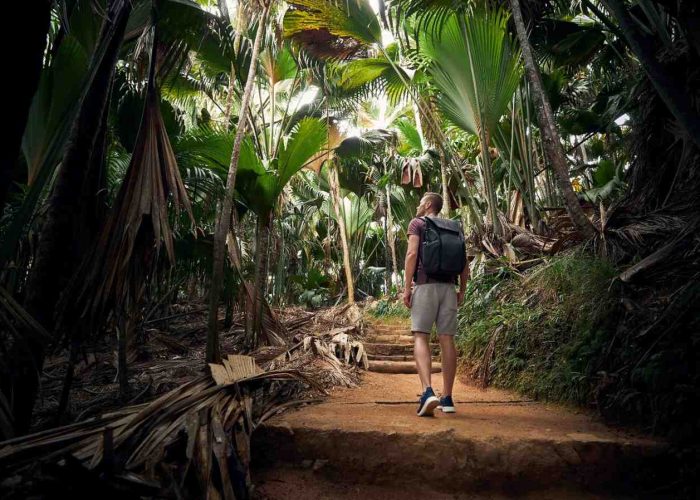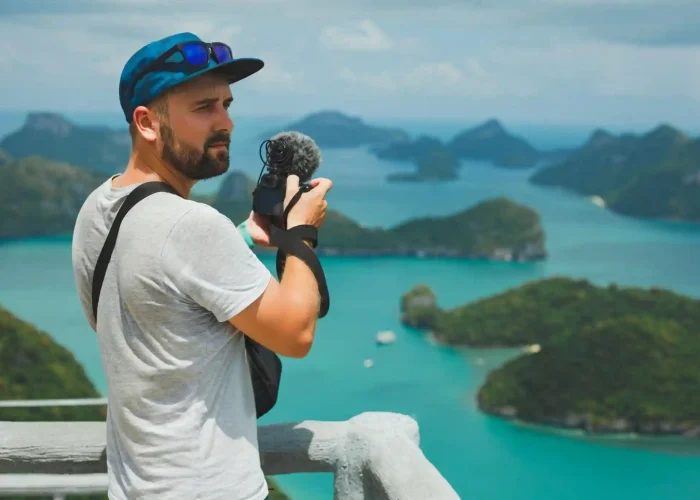

There is something universally appealing about a place that feels like it belongs to you. Not a destination plastered across travel magazines or clogged with tour groups, but somewhere that still carries the texture of real life. Hidden travel gems draw people in for exactly that reason. They offer the rare feeling of discovery in a world where almost everything has already been found, photographed, and reviewed. What is interesting is that this appeal cuts across income levels entirely. Budget travelers are drawn to hidden destinations because they tend to be cheaper, less commercialized, and more authentic. Luxury travelers are drawn to them because exclusivity is increasingly hard to find, and remoteness is now one of the most desirable qualities money can buy. The same destination, for entirely different reasons, ends up on both wish lists.
What Makes a Destination Truly Hidden
The Difference Between Undiscovered and Overlooked
Not all hidden travel gems are hidden in the same way. Some places are genuinely undiscovered, meaning they have no meaningful tourism infrastructure, limited online presence, and very few foreign visitors. Others are simply overlooked, meaning they exist in the shadow of a more famous neighbor or have never been marketed effectively despite being entirely accessible. The distinction matters because it affects how you plan, what you spend, and what kind of experience you can realistically expect. An overlooked destination like Matera in southern Italy or Plovdiv in Bulgaria is easy to reach, has accommodation options across price points, and rewards visitors without requiring significant effort. A truly undiscovered destination may require local contacts, flexible itineraries, and a much higher tolerance for uncertainty.
How Tourism Infrastructure Shapes Access for Different Budgets
Infrastructure is the invisible hand that determines who can afford to visit a place and how. When a destination has no established guesthouses, reliable transport links, or local tour operators, the cost of visiting actually rises for everyone. Budget travelers who rely on affordable hostels, local buses, and street food have fewer options when those systems do not exist. Ironically, remote and undeveloped destinations can end up being more accessible to high-budget travelers who can charter transport, hire private guides, and stay in eco-lodges that have invested heavily in off-grid infrastructure. The less developed a place is, the more money it sometimes takes to visit it comfortably, regardless of how unspoiled it appears.
When a Hidden Gem Stops Being Hidden
Every hidden destination has a tipping point. It is the moment when enough coverage, social media exposure, or word of mouth reaches a critical mass, and the place transforms almost overnight. Hoi An in Vietnam, the Faroe Islands, and Kotor in Montenegro all followed this trajectory. Once that shift happens, prices rise, local character fades, and the very qualities that made the destination appealing begin to erode. Savvy travelers, both budget and luxury, are increasingly trying to visit hidden gems before that window closes. The challenge is that finding them early enough requires research that goes well beyond the first page of any search result.
Budget Travel and the Hidden Gem Advantage
Budget travelers have always had a natural affinity with hidden destinations, and for good reason. Places that have not yet entered the mainstream tourism circuit tend to have lower prices across the board. Accommodation is cheaper because it has not been optimized for tourist profit. Food is more affordable because it is still feeding locals, not visitors. Transport is simpler and less marked up. In places like Albania’s Riviera, northern Laos, or the lesser-visited islands of the Philippines, a budget traveler can live exceptionally well for a fraction of what a comparable trip to a popular destination would cost. The hidden gem advantage for budget travelers is not just financial. It is experiential. You get more genuine interactions, more flexibility, and a version of the destination that has not yet been packaged for consumption.
The key skill for budget travelers in these destinations is local intelligence. Online resources are often thin, outdated, or nonexistent for truly off-the-radar places. The most useful information comes from other travelers who have recently been there, guesthouses run by locals, and community-based travel forums. Building an itinerary around local knowledge rather than polished travel guides is what separates a genuinely immersive budget experience from a frustrating one.
Luxury Travel in Off-the-Beaten-Path Destinations
How High-End Operators Are Moving Into Untouched Destinations
The luxury travel industry has undergone a significant shift over the past decade. The traditional model of five-star resorts in well-known destinations is increasingly giving way to something more ambitious. High-end operators are now actively seeking out remote and undervisited places, building bespoke experiences around the destination’s natural and cultural assets rather than importing a standardized luxury template. &Beyond, Wilderness Safaris, and similar operators have pioneered this model across Africa, and it is now expanding into Central Asia, the Pacific Islands, and parts of Latin America that were previously considered too logistically complex for luxury travel.
Private Guides, Exclusive Access, and the Luxury of Fewer Crowds
For luxury travelers, the appeal of hidden travel gems is fundamentally about access. Money cannot buy you a quiet morning at the Trevi Fountain or an empty path to Machu Picchu. But it can buy you a private permit to a restricted archaeological site, a chartered boat to an island with no other tourists, or a stay in a restored heritage property that has not been replicated anywhere else in the world. The luxury of fewer crowds is real and increasingly rare. In hidden destinations, it is still available, and high-end operators are building entire products around that fact.
When Luxury Travel Helps Preserve Rather Than Exploit a Destination
There is a legitimate argument that well-managed luxury tourism can be better for a hidden destination than high-volume budget tourism. A single high-paying guest generates more revenue for local conservation and community programs than twenty budget travelers, while placing significantly less strain on infrastructure, water resources, and ecosystems. Bhutan has operationalized this logic through its high-value, low-impact tourism policy. The country limits visitor numbers and charges a daily tourism fee that funds conservation and local development. The result is one of the most pristine and culturally intact destinations in the world. The model is not perfect, but it demonstrates that luxury travel and responsible stewardship can coexist.
The Real Costs of Reaching Remote Places
Getting to a hidden destination is often where the real expense lies, regardless of your travel style. Remote locations typically involve multiple connections, small regional carriers with limited schedules, overland journeys on poor roads, or boat transfers that are weather-dependent. For budget travelers, this adds cost and time that needs to be factored into the overall trip. A week in a cheap destination can become expensive when two of those days and a significant portion of the budget are consumed by getting there and back. For luxury travelers, the logistics are usually handled by operators, but the cost of private transfers and chartered flights is substantial. The honest reality of visiting truly hidden travel gems is that remoteness always has a price, and it tends to be paid at the beginning and end of every trip.
How Local Communities Fit Into the Budget vs Luxury Equation
The most overlooked dimension of visiting hidden destinations is the economic relationship between the traveler and the local community. Budget travelers who stay in locally owned guesthouses, eat at family-run restaurants, and hire local guides put money directly into the community in a way that benefits individuals rather than corporations. Luxury travelers staying at internationally owned eco-lodges may spend more overall, but a larger share of that money leaves the local economy. The most responsible approach, at any budget level, is to be intentional about where money is spent. Choosing local over international, small over large, and community-run over corporate is a decision every traveler can make, regardless of their overall spending level.
Planning a Hidden Gem Trip Without Ruining the Experience
The planning process for a hidden destination requires a different mindset than booking a standard holiday. Flexibility is not optional. Schedules change, transport is unreliable, and the unexpected is part of the experience. Over-planning a trip to a raw, undeveloped destination strips it of the qualities that made it worth visiting in the first place. At the same time, arriving completely unprepared creates problems for local communities that are not equipped to absorb sudden or poorly managed tourist arrivals. The balance lies in doing enough research to travel responsibly while leaving enough room to follow what the destination offers rather than forcing it to deliver a predetermined experience.
Finding the Travel Style That Fits the Destination
The most useful reframe in the budget versus luxury debate is to stop asking which travel style you prefer and start asking which travel style the destination is best suited for. Some hidden travel gems are naturally suited to budget exploration because their charm lies in local immersion, slow travel, and minimal infrastructure. Others are better approached with the resources to hire expert guides, access restricted areas, and support conservation directly. Matching your travel style to what the destination actually needs and offers is what separates a meaningful trip from a disappointing one. Hidden travel gems are accessible at almost every budget level, but the experience you take home depends entirely on how well you read the place before you arrive.
FAQs
Q1. Are hidden travel gems always cheaper to visit than popular destinations?
Not always. Remote locations often have higher transport costs and limited budget accommodation, which can make them surprisingly expensive despite being less touristy.
Q2. Can luxury travelers truly enjoy off-the-beaten-path destinations comfortably?
Yes. Many high-end operators now specialize in remote destinations, offering private guides, exclusive access, and bespoke experiences designed specifically for undervisited locations.
Q3. How do I find hidden travel gems before they become mainstream?
Look beyond first-page search results. Travel forums, recent blogs, and local tourism boards in lesser-known regions are the most reliable sources for genuinely undiscovered destinations.
Q4. Is budget travel or luxury travel better for local communities in hidden destinations?
Both can benefit communities when money is spent locally. Staying in locally owned properties and hiring local guides matters more than your overall budget level.
Q5. What is the biggest mistake travelers make when visiting hidden destinations?
Over-planning and expecting mainstream conveniences. Hidden destinations reward flexibility and preparation for the unexpected, not rigid itineraries built around tourist-friendly infrastructure.