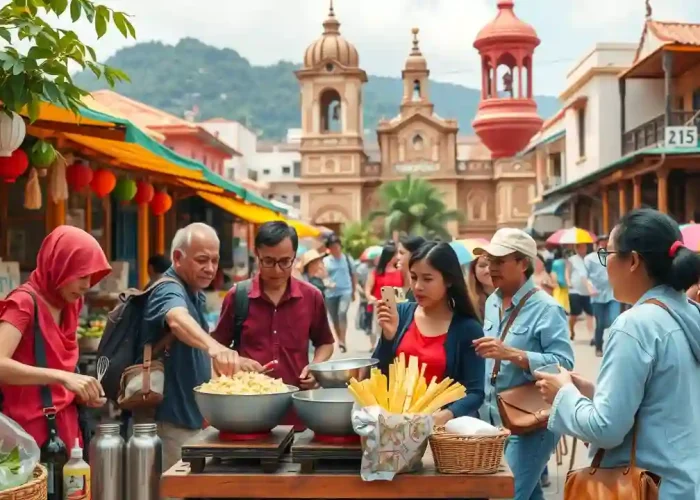
There’s something magical about venturing off the beaten path. While iconic landmarks are undeniably stunning, they can also be crowded, commercialized, and predictable. Exploring lesser-known destinations offers travelers a different kind of thrill—one defined by authenticity, personal connection, and adventure.
These hidden gems allow you to experience a destination’s culture and history in a way that traditional tourism rarely offers. You might wander through a remote village preserving centuries-old traditions, enjoy festivals untouched by international tourism, or discover landscapes and historic sites often overlooked on travel maps.
This guide will show you how to find these hidden treasures, explore them safely and respectfully, and plan trips that combine spontaneity with preparation. You’ll learn strategies, global examples, and practical tips to make the most of your journey while avoiding the crowds and clichés of mainstream tourism.
What Makes a Destination “Lesser-Known”?
A lesser-known destination isn’t just a place with fewer tourists. It’s a location where culture, history, and local life remain intact, unaltered by mass tourism. These spots often exist in small towns, rural areas, or overlooked neighborhoods, offering more intimate interactions with residents and environments.
What sets them apart is:
-
Preserved traditions that aren’t commercialized.
-
Unique cultural or historical significance.
-
Authentic local experiences are unavailable in popular tourist hubs.
Traveling to these destinations often means seeing the world as locals do, gaining a deeper understanding of history, customs, and everyday life that you simply can’t get at a crowded landmark.
Advantages of Visiting Lesser-Known Destinations
Authentic Experiences
-
Engage with locals and learn about their traditions, crafts, and daily routines.
-
Attend festivals, workshops, or culinary experiences unique to the region.
Lesser-known spots allow visitors to participate actively, rather than observing from the sidelines. You gain insights that guidebooks and museums alone cannot provide.
Fewer Crowds and Stress
-
Explore at your own pace without long lines or traffic.
-
Enjoy photography and reflection opportunities free from tourist congestion.
Without the pressure of tourist crowds, your travel experience becomes more relaxed and immersive. You can truly savor the surroundings and connect with the people.
Cost Benefits
Visiting hidden destinations often comes with financial advantages. Accommodations, meals, and activities are generally cheaper. Many of these places offer bargains unavailable in high-traffic areas, letting travelers stretch their budgets while enjoying authentic experiences.
Personal Enrichment
Exploring off-the-beaten-path locations encourages creativity, storytelling, and curiosity. You return home not just with photos, but with memories, knowledge, and experiences unavailable on mainstream tourist routes.
Challenges of Exploring Lesser-Known Destinations
Accessibility
Remote locations may require extra planning, transport arrangements, or navigation skills. You might face long drives, limited flights, or irregular public transportation, making preparation essential.
Limited Amenities
Hotels, restaurants, and other services might be scarce. Flexibility, self-sufficiency, and a willingness to adapt to local conditions are crucial for a smooth experience.
Cultural Sensitivity
Research local customs, etiquette, and environmental rules. Understanding cultural norms helps you engage respectfully and avoid unintentionally offending the community.
Strategies to Discover Lesser-Known Destinations
Research and Online Tools
-
Use travel blogs, forums, social media, and specialized apps.
-
Cross-check sources to ensure accuracy and current relevance.
Digital resources are excellent starting points, but always verify information before traveling.
Local Knowledge
Engage with residents, guides, and artisans. They often reveal hidden cultural, historical, or natural spots that mainstream guides overlook. Insider knowledge is invaluable for authentic experiences.
Exploration
Walking, biking, or driving through less-traveled areas encourages spontaneous discovery. You might stumble upon local markets, street performances, or centuries-old architecture that wasn’t on your radar.
Examples of Lesser-Known Destinations Around the World
Asia
-
Vietnam: Small villages preserving traditional crafts like weaving and pottery.
-
Japan: Historic towns outside Tokyo and Kyoto showcase Edo-era architecture and local festivals.
Europe
-
Eastern Europe: Villages maintaining centuries-old folk traditions and architectural heritage.
-
Portugal & Greece: Secluded coastal towns with authentic, small-scale festivals.
Americas
-
Mexico & Peru: Indigenous communities offering immersive cultural workshops and ceremonial experiences.
-
South America: Lesser-known colonial towns preserving artisan craftsmanship and historical architecture.
Africa and the Middle East
-
Morocco: Remote villages showcasing local crafts, traditional architecture, and markets.
-
Jordan & Egypt: Small communities preserving ancient customs, local storytelling, and historical sites.
These destinations highlight how culture and history can flourish away from tourist crowds, offering deeper engagement for curious travelers.
Planning Your Visit
Itineraries
Balance iconic landmarks with hidden gems. Allocate extra time for unplanned experiences, such as local festivals or spontaneous cultural encounters.
Logistics
Book accommodations and transportation in advance when possible, especially in remote areas. Consider homestays, eco-lodges, or guesthouses to enhance the local experience.
Respectful Travel
Follow cultural etiquette, dress codes, and environmental rules. Small gestures, like learning a few local phrases or adhering to customs, show respect and deepen your engagement
Maximizing Your Experience
Engagement
Participate in workshops, cooking classes, and local ceremonies to gain a hands-on understanding of the culture.
Documentation
Capture memories through photos, videos, or journals—but do so thoughtfully to respect privacy and local customs.
Adventure
Stay open to unexpected detours and discoveries, while balancing safety and cultural awareness. Flexibility allows for truly memorable experiences.
Combining Lesser-Known Destinations with Popular Sites
Strategic Planning
Integrate hidden gems alongside iconic landmarks. This balance allows travelers to experience the best of both worlds—depth and familiarity.
Scheduling
Sequence your visits to manage travel time efficiently, avoid burnout, and maximize enjoyment. Proper pacing ensures both popular and offbeat destinations leave lasting impressions.
Conclusion
Visiting lesser-known destinations transforms travel from a checklist of sights into a journey of discovery, culture, and personal enrichment. These spots allow travelers to engage with history, traditions, and landscapes in ways impossible at crowded tourist hubs. Research, local engagement, and flexibility are essential for meaningful exploration. By venturing beyond the mainstream, you gain authentic experiences, unique stories, and a deeper connection to the places you visit. Embrace curiosity, respect local customs, and let spontaneity guide your journey. Traveling this way ensures memories that are not only beautiful but profoundly rewarding.
FAQs
1. What qualifies as a lesser-known destination?
A lesser-known destination has low tourist traffic, preserved culture, and authentic local experiences not dominated by mainstream tourism.
2. How can I find these destinations safely?
Use verified blogs, travel forums, apps, and local guides while planning logistics and researching cultural norms.
3. Are lesser-known destinations more affordable?
Often yes. Fewer tourists usually mean lower accommodation, dining, and activity costs compared to popular landmarks.
4. How do I respect local customs while visiting hidden gems?
Learn cultural etiquette, dress codes, and behavioral norms. Engage thoughtfully in ceremonies, workshops, and daily life.
5. Can I combine hidden gems with major attractions?
Absolutely. Plan itineraries to balance iconic landmarks with offbeat destinations for diverse and memorable travel experiences.