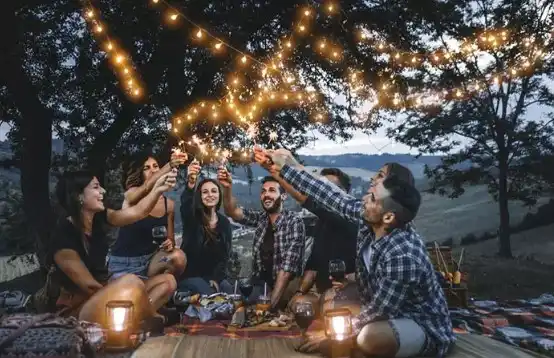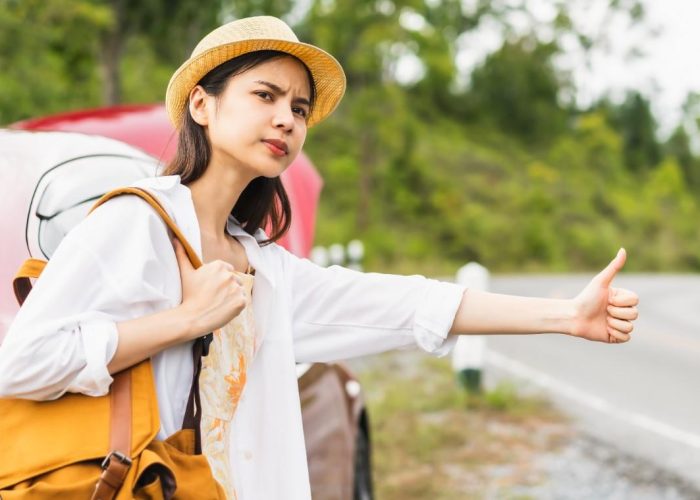
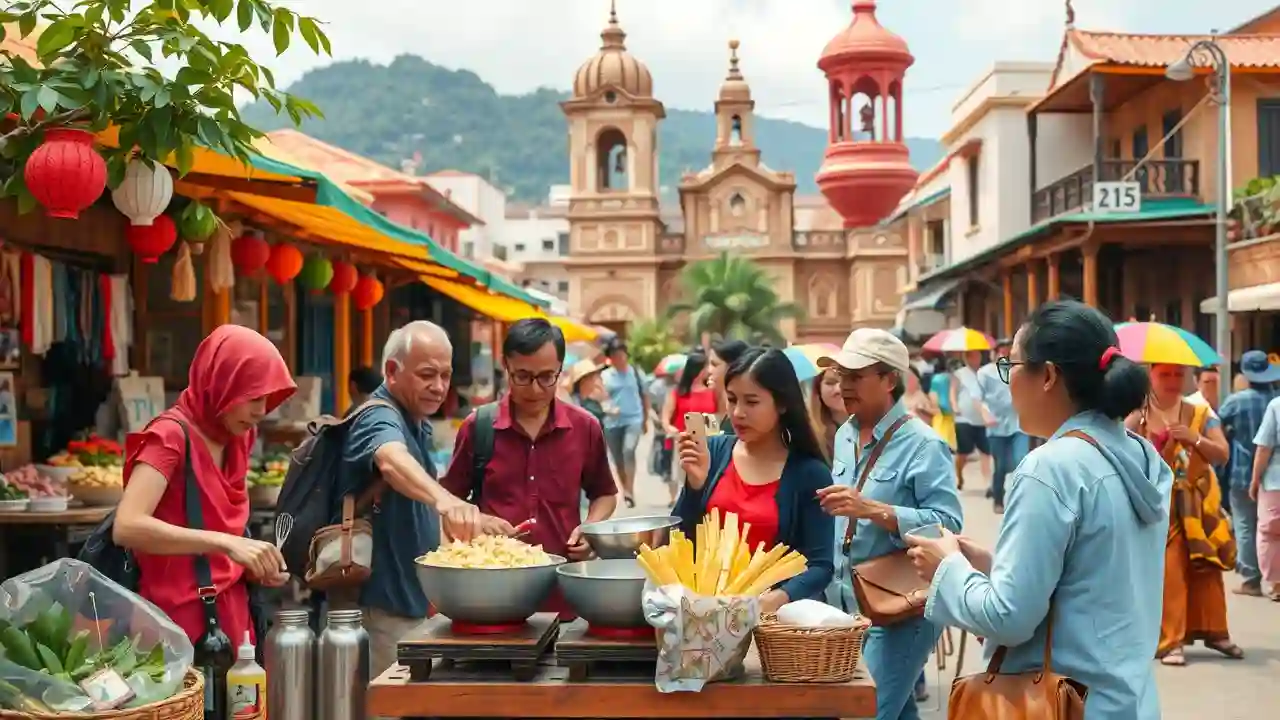
Traveling transcends mere sightseeing when you embrace cultural immersion, allowing you to weave into the fabric of local life, traditions, and communities for an unforgettable journey. This guide unveils essential strategies—from staying with locals and joining festivals to savoring authentic cuisine—that not only heighten your awareness of global diversity but also cultivate profound personal growth and lasting connections with the world around you.
Learning about Cultural Immersion
Cultural immersion is immersion in the customs, traditions, and everyday life, directly into the community. It is not only about sightseeing tourist sites but rather about taking a tour like a resident. Such travelling brings about bonding, awareness and in many cases, the memories may be unforgettable.
The importance of Cultural Immersion
Travelling with the local cultures adds to your travelling experience. It helps to develop respect towards the destination, to gain more knowledge about global diversity, and leave everlasting memories. It also enables growth, personally, since there is usually something to learn when you go beyond the comfort zone.
The Cultural Immersion Strategies
1. Stay with Locals
One of the ways to make it a much more cultural experience is to use homestays and guesthouses rather than using traditional hotels. Your experience is that when you reside with local families, you get to know about their lives, customs, and traditions. You can even eat together, do other family activities, and get a first hand feel of their lifestyle which makes you have a deeper insight into the culture.
Use Platforms like Airbnb
Airbnb and other websites provide uncomplicated accommodations where one can stay with hosts who are keen on offering their culture. Find places where there is a guided experience or a local tour option as it can further enhance your engagement. The experience of interacting with your host can also offer local information and advice that you would never get in guide books.
2. Get Involved in Local Activities
Join Community Events
See what kind of local festivals, markets, or events are taking place during your visit. By engaging in such activities, you would get an opportunity to experience the culture in interactive and dynamic ways. It can be a conventional dance, food festival, or an art exhibition, but such events tend to demonstrate local traditions and skills, which leaves a beautiful landscape to be integrated into.
Take Classes or Workshops
Think about attending a class or workshop to acquire a local craft, cooking, or traditional music. Be it a cooking lesson on local cuisine or a pottery lesson, practical experiences may give a more insight into the cultural background. This also enables you to connect with locals who have similar interests as you do, and this is through such activities.
3. Explore Off the Beaten Path
Explore beyond Tourist Destinations
Although famous attractions are always nice, they may take us to more natural experiences, by going to smaller places. Strolling in the residential areas, going to smaller markets, and finding the hidden gems will help to communicate with locals and learn about everyday life. The experiences tend to have a closer look at the culture.
Use Public Transportation
Travelling by local transportation can also be a great method of exploring a place in a local way. You can use buses, trams, and trains to travel to other neighborhoods and have a chance to see the routine and interaction. It is also a cheaper mode of transportation in most cases and you can use the money to spend on other immersive activities.
4. Engage with Local Cuisine
Dine at Local Restaurants
Get off the tourist traps and explore local restaurants. Request residents to suggest places where one can get real dishes. Eating street food or eating in the family-owned restaurants may give one a glimpse of the culture, which extends beyond the food. Local restaurants usually offer meals which can be related to regional tastes and cuisines.
Participate in Food Tours
Food tours are a recreational experience that enables one to learn about the history and culture of a place through exploring its culinary traditions. Guides usually have stories about the food and ingredients and the way it is cooked, which adds to the knowledge of the local culture. Such tours enable you to taste different food and unveil some culinary secrets.
5. Learn the Language
Basic Phrases Matter
Even having a bit of effort to acquire some basic phrases in the host language can help a lot in establishing the connections. Simple greetings, thank you and some polite talk can assist you in interacting with locals and demonstrating your respect for their culture. Your pronunciation might not be the best but people in the area will be grateful that you tried.
Use Language Apps
It is also a good idea to use language learning apps, such as Duolingo or Babbel, to learn some necessary phrases prior to traveling. This training can make your communication with people more effective and get the locals more willing to help you. The communicative capability, even on an elementary level, can change the experience.
6. Volunteer or Give Back
Engage in Community Service
When traveling, volunteering enables you to make a difference in the local society. Research organizations that can offer travelers a chance to work on a project that is connected to education, conservation, or social work. This experience can enhance your perception of local issues and achievements as well as have a positive impact.
Support Local Businesses
Decide to visit the local markets, buy the locally-produced crafts, and eat at the locally-owned restaurants. Promoting local business is a way of benefiting the community as well as offering the locality a chance to interact and share cultural experiences. Your expenditure has the ability to maintain the local economy and also help in cultural conservation.
7. honor the Local Customs and Etiquette
Research Cultural Norms
Researching local etiquette and customs is a good idea before travelling to a new destination. The knowledge of cultural norms including dress code, eating habits, and social manners demonstrate respect to the local culture and can improve your communication. This understanding will be able to prevent misunderstandings and make the experience more positive.
Be Open-Minded
Accept cultural differences in an open-minded way. Be ready to take up new experiences, even when it is outside your comfort zone. Such readiness to compromise builds true relationships with others and enhances your travel experience. Always bear in mind that each culture possesses its own lifestyle, and the willingness to learn is one of the main elements of immersion.
Frequently Asked Questions regarding Cultural Immersion
What is cultural immersion?
Cultural immersion is the act of experiencing the direct encounter of a community in terms of all its customs and traditions, and the way of life. It is about being shown around like a resident of the place would, creating an opinion and building up of knowledge.
What is the significance of culture immersion?
Cultural immersion will provide your traveling experience with respect to the destination, broaden your perception of world diversity and leave you with a memorable experience. It may result in self-development and good life experiences.
What can I do to get local events to attend?
Explore events within the area by using a tourism website, a social networking site, or a local community board. It is also possible to request recommendations made by locals. Most cities also have local tourism offices where they get information on events and festivals about to happen.
What is to be done in case I offend someone due to a cultural misunderstanding?
In case you are in a scenario where you have offended somebody, apologize and be respectful. Admit the error, tell him that you want to learn, and be respectful of their culture. The majority of the population will appreciate the fact that there is a possibility of cultural misunderstanding.
Conclusion
Cultural immersion makes your traveling a thing of more than just sightseeing. Through interaction with locals, taking part in activities, off-the-beaten-path sites, and cultural respect, you will have the opportunity to know what a destination is all about. Not only that these strategies will improve your knowledge of other cultures, but they will also leave indelible memories and relationships that will cross not just national boundaries. Strive to maintain the process of cultural immersion, and it will add to your explorational experience.