
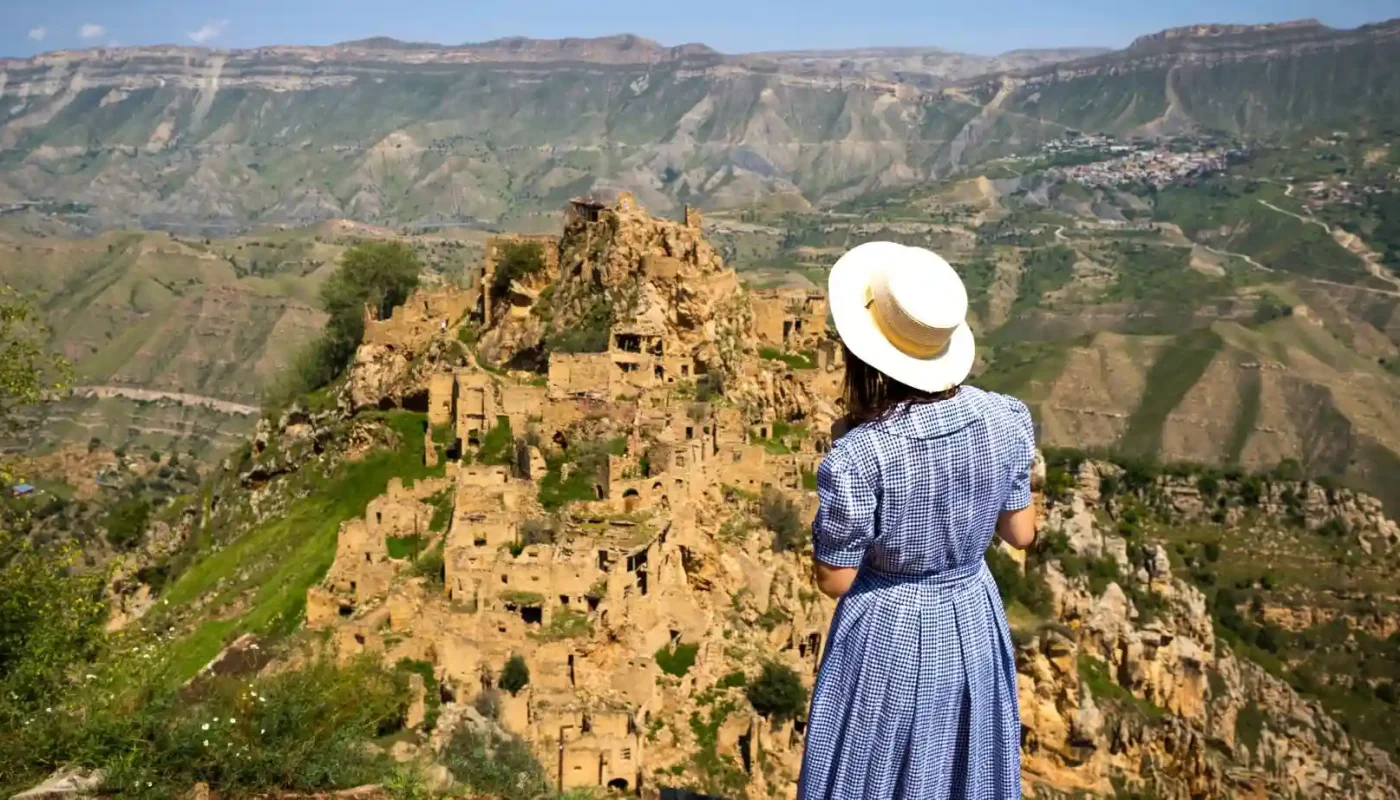
Traveling isn’t just about ticking off famous landmarks. Increasingly, travelers are seeking experiences that go beyond the crowds, exploring places rich in culture and history that few have discovered. Hidden travel gems offer the chance to step into authentic local life, witness preserved traditions, and encounter stories that rarely appear in guidebooks. These destinations allow travelers to engage deeply with architecture, festivals, cuisine, and arts while connecting with residents who are the keepers of heritage.
Unlike mainstream spots, cultural travel gems give a more intimate and personal view of a place. They let you move at your own pace, appreciate historical details, and gain perspective on everyday life that has shaped local identity for generations. This blog explores what makes a hidden cultural destination special, why visiting these gems is rewarding, strategies for discovering them, examples from around the world, and tips to maximize your experience while respecting local customs.
Defining Cultural Travel Gems
Cultural travel gems are destinations that offer rich, immersive experiences without the crowds of popular tourist sites. They might be small towns, local neighborhoods, or regions overlooked by mainstream tourism. What sets them apart is their authenticity: preserved traditions, historical significance, and unique local customs.
These gems often include sites like ancient temples, artisanal villages, centuries-old marketplaces, or communities celebrating festivals unchanged for generations. Unlike typical tourist hotspots, they allow travelers to witness daily life and interact with locals in meaningful ways. Cultural travel gems offer access to stories, architecture, cuisine, and rituals that have survived the test of time, providing experiences far deeper than those found on standard itineraries.
Visiting such destinations requires curiosity and openness. It’s not just about seeing a place but understanding its history, culture, and people. These are the experiences that linger long after the trip ends.
Advantages of Visiting Cultural Travel Gems
Authentic Local Experiences
- Travelers gain access to traditional ceremonies, artisanal crafts, and cultural workshops.
- Direct interactions with locals provide insights unavailable in guidebooks.
- Meals, music, and storytelling reflect heritage in its purest form.
Hidden cultural gems allow travelers to experience a destination as locals do. You might learn to cook traditional dishes from a village chef, watch artisans craft centuries-old tools, or witness rituals that have persisted for generations. These moments create memories that are both educational and profoundly personal.
Preservation and Learning
Exploring offbeat historical sites supports preservation. Many hidden gems depend on visitors for funding or advocacy to maintain structures and traditions. Traveling beyond tourist hubs also provides space to learn without distraction. You can focus on history, context, and local narratives without crowded museums or commercialized interpretations.
Experiencing these gems fosters respect for history and encourages meaningful understanding of diverse communities. Travelers often return home not only with photos but with a deeper awareness of cultural heritage.
Personal Enrichment
Unique cultural experiences inspire creativity, storytelling, and photography. Hidden gems provide opportunities to explore uncharted streets, historic buildings, and local festivals. Unlike crowded sites, these places encourage observation and reflection. Travelers leave with knowledge and memories that are rare and meaningful, allowing them to share stories that stand out from typical tourist tales.
Challenges in Exploring Cultural Travel Gems
Accessibility
Many cultural gems are in remote or less-traveled regions. Reaching them may involve complex transportation, multiple transfers, or off-road travel. Planning becomes critical to ensure you arrive safely and maximize time at the destination.
Limited Amenities
Unlike popular tourist hubs, hidden gems often have fewer hotels, restaurants, and services. Travelers need flexibility, self-sufficiency, and a willingness to adapt. Basic preparation, like packing essentials and checking local facilities, ensures a smooth experience.
Respecting Local Customs
Cultural sensitivity is essential. Travelers must research dress codes, etiquette, and local norms. Being mindful of behavior ensures you enjoy the experience while respecting the community’s heritage and privacy.
Strategies to Discover Cultural Travel Gems
Research and Digital Resources
- Blogs, social media, travel forums, and apps often reveal lesser-known destinations.
- Verify information through multiple sources to ensure accuracy.
With countless online resources, it’s easier than ever to find hidden gems. Travel blogs or community forums often share personal experiences and practical tips. Look for firsthand accounts, not just curated photo galleries, to understand accessibility, local customs, and challenges.
Engaging Locals
- Ask residents, artisans, and guides for recommendations.
- Locals often know historical sites or cultural events not listed in mainstream guides.
Speaking with people who live in the area can uncover unique experiences. A friendly café owner might suggest a hidden temple, a family-run craft workshop, or a festival that few tourists attend. Local knowledge is invaluable in uncovering authentic culture.
Exploring Beyond the Map
- Walk, bike, or drive through unexplored neighborhoods or the countryside.
- Follow curiosity instead of sticking strictly to tourist itineraries.
Some of the most rewarding discoveries come from spontaneous exploration. Venturing off the map can lead to small museums, street performances, artisan markets, or quiet historic corners that offer deeper insights into the local culture.
Examples of Cultural Travel Gems Around the World
Asia
- Small villages in Vietnam preserve traditional crafts like silk weaving.
- Historic towns in Japan maintain Edo-era architecture and local festivals.
Europe
- Lesser-known Spanish and Italian towns host centuries-old festivals and medieval architecture.
- Eastern European villages preserve folk traditions and artisanal skills.
Americas
- Indigenous communities in Mexico and Peru offer immersive cultural experiences.
- Hidden colonial towns in South America maintain historic architecture and local craftsmanship.
Africa and the Middle East
- Villages in Morocco and Tunisia showcase local crafts, marketplaces, and architecture.
- Small communities in Jordan and Egypt maintain ancient customs and historic sites.
These examples demonstrate that cultural gems exist across continents. Each destination offers opportunities to experience history and culture in ways that mainstream tourism often misses.
How to Maximize Your Cultural Travel Experience
Planning with Flexibility
Allow time for spontaneous discoveries. Combine visits to iconic landmarks with hidden gems to balance familiarity and authenticity. Flexibility ensures you can participate in festivals, ceremonies, or local events as they arise.
Respect and Engagement
Dress appropriately, follow local etiquette, and engage respectfully. Participate in activities without imposing, and take the time to understand context and significance.
Documentation and Storytelling
Capture memories with photos, notes, or videos without disrupting the environment. Share experiences responsibly to honor the culture while inspiring others to explore.
Combining Cultural Gems with Broader Travel Itineraries
Integrating hidden cultural gems into a travel itinerary enhances the overall journey. Visit a well-known museum or landmark, then venture to a nearby village, artisan workshop, or festival. Strategically pairing offbeat experiences with popular destinations creates a richer, more balanced trip. Travelers gain depth, perspective, and unique stories that stand apart from traditional tourism narratives.
Conclusion
Exploring cultural travel gems provides experiences that go beyond the surface of tourism. These destinations offer authentic interactions, personal enrichment, and immersive learning opportunities. Unlike crowded tourist spots, they let travelers engage with local history, traditions, and artistry in meaningful ways.
Successfully visiting these gems requires research, local engagement, flexibility, and respect for customs. By combining careful planning with curiosity and openness, travelers can uncover hidden corners that leave lasting impressions. Embracing these offbeat destinations transforms travel into a journey of discovery, creativity, and understanding, creating memories and stories that are as unique as the cultures themselves. Hidden cultural gems offer depth, authenticity, and inspiration for anyone seeking more than a conventional travel experience.