
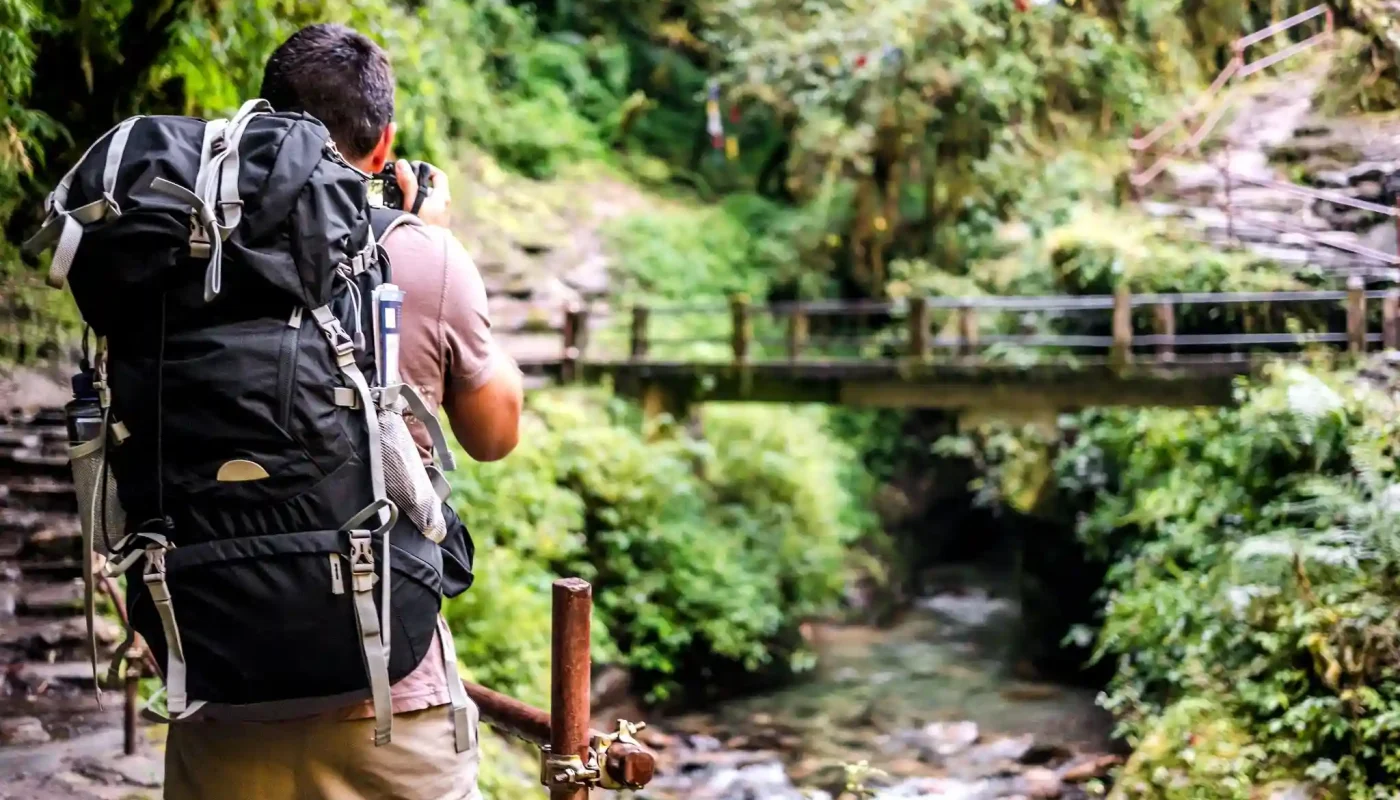
Traveling has become more than ticking off famous landmarks on a checklist. Increasingly, travelers are seeking authentic experiences that go beyond crowded streets, long lines, and selfie-filled spots. Hidden travel gems offer the perfect solution, providing memorable adventures that guidebooks often overlook. From secluded villages tucked away in mountain valleys to little-known cultural sites that reveal local traditions, these places offer a sense of discovery that popular tourist spots rarely provide.
Exploring hidden gems isn’t just about avoiding crowds; it’s about connecting with local communities, discovering authentic cuisine, and capturing experiences that feel personal and unique. In this guide, we’ll explore the advantages of seeking hidden travel gems, discuss the challenges, and provide practical strategies to uncover them. You’ll also find tips on blending these offbeat destinations with iconic landmarks, ensuring a rich and balanced travel itinerary.
Defining Hidden Travel Gems
Hidden travel gems are destinations that remain largely under the radar, even in well-traveled countries. Unlike popular tourist attractions, which often attract large crowds, these spots are less publicized and often require curiosity, research, and initiative to discover.
They can take many forms: a quiet coastal village in Portugal, a remote waterfall in Thailand, a tucked-away café in Italy, or a local festival in a small town in Mexico. What unites all hidden gems is authenticity. Visitors experience life as locals do, without commercialization or staged experiences.
These destinations offer richer, more meaningful travel encounters. They allow travelers to engage more deeply with culture, interact with residents, and enjoy moments that feel genuinely unique.
Advantages of Exploring Hidden Travel Gems
Authentic Experiences
One of the main benefits of hidden travel gems is access to authentic experiences. Away from the crowds, travelers can immerse themselves in local culture, cuisine, and traditions. Cooking classes in a small village, guided hikes by a local naturalist, or spontaneous conversations at a family-run café provide experiences impossible in overcrowded tourist zones.
Personal interactions with locals are more likely when fewer travelers are present. These encounters often lead to insights and memories that last a lifetime. A simple invitation to a local festival or home-cooked meal can become the highlight of a trip, offering a story worth sharing far beyond the destination itself.
Fewer Crowds, More Freedom
Hidden gems naturally come with fewer visitors. This means less waiting in lines, less noise, and more opportunities to explore at your own pace. You can wander cobbled streets, take photographs without strangers in the frame, and enjoy landscapes without crowded vantage points.
This freedom also encourages spontaneity. Travelers can linger longer in a quaint café, take a scenic detour along a hiking trail, or simply relax in the environment without feeling pressured by time constraints.
Cost Benefits
Many hidden gems offer financial advantages. Hotels, guesthouses, and dining options are typically less expensive than in highly trafficked areas. Hidden gems may also provide unique budget-friendly experiences like guided walks, local artisan workshops, or inexpensive cultural events.
Discounts and bargains abound in offbeat locations, allowing travelers to allocate resources to experiences rather than just entry fees.
Challenges of Hidden Travel Gems
Accessibility and Planning
Finding a hidden gem often requires more planning than visiting a popular attraction. Remote locations may involve multi-modal travel: buses, trains, ferries, or even hikes. Navigating these routes can be challenging without prior research.
Careful preparation ensures safety and efficiency. Travelers must account for travel time, seasonal access, and potential language barriers. Online maps, local guides, and travel apps become essential tools for discovering these offbeat destinations.
Limited Amenities
Hidden gems are often intentionally undeveloped or naturally preserved, which can mean fewer hotels, restaurants, or tourist services. Travelers need flexibility and self-sufficiency, bringing essentials like water, snacks, or backup plans for lodging.
Limited amenities may also impact comfort, particularly for families or those accustomed to modern conveniences. Being mentally prepared for simpler conditions allows travelers to embrace the charm of these places rather than focus on potential inconveniences.
Risk of Overlooked Safety Considerations
While hidden gems offer authenticity, safety research is crucial. Travelers should check local advisories, understand cultural norms, and anticipate weather conditions or terrain challenges.
How Hidden Gems Enhance Travel Experiences
Hidden gems provide a level of immersion that popular tourist spots cannot. They offer insights into local life, architecture, and natural landscapes often untouched by mass tourism. Photographers, storytellers, and adventure seekers can document experiences that feel unique and personal.
Traveling to these locations encourages creativity. With less pressure to follow guidebooks, travelers can explore spontaneously, discover secret trails, or participate in local events unexpectedly. This unstructured approach often leads to the most memorable adventures, where moments feel earned rather than packaged.
Strategies to Discover Hidden Travel Gems
Research and Online Resources
- Use travel blogs, forums, and social media for firsthand accounts.
- Cross-reference multiple sources to verify authenticity.
- Check reviews, photos, and recent traveler experiences to avoid outdated information.
Networking with Locals
- Ask residents for recommendations and local insights.
- Taxi drivers, shopkeepers, and innkeepers often know tucked-away cafés, scenic viewpoints, or cultural experiences.
- Engaging with locals builds trust and enhances authenticity.
Exploring Beyond the Map
Sometimes the best discoveries come from venturing off pre-planned itineraries. Walking, biking, or driving through lesser-known areas allows for organic exploration. Following curiosity rather than guidebook suggestions often leads to unexpected gems—quiet alleys, neighborhood festivals, or secluded natural spots.
Examples of Hidden Travel Gems Around the World
In Asia, villages in northern Thailand and small islands in Indonesia provide peaceful escapes from mainstream tourist hubs. In Europe, towns in Portugal’s Alentejo or Italy’s Le Marche region offer authentic cultural immersion. In the Americas, hidden waterfalls in Costa Rica or historic neighborhoods in Argentina are rewarding alternatives to crowded cities.
These examples illustrate the contrast between famous attractions and hidden gems. While landmarks like the Eiffel Tower or Machu Picchu are iconic, offbeat locations provide intimacy, cultural depth, and a slower, more enriching experience.
Tips for Maximizing Your Hidden Travel Experiences
Respect Local Culture and Environment
- Be mindful of local customs, dress codes, and traditions.
- Avoid behaviors that disrupt communities or degrade natural sites.
- Document experiences thoughtfully without disturbing residents or ecosystems.
Blend Planning and Spontaneity
Have a basic itinerary but leave room for detours and unplanned stops. Flexibility enhances both safety and enjoyment while maximizing the rewards of exploring hidden gems.
Combining Hidden Gems with Popular Destinations
While hidden gems offer authenticity, including a few iconic landmarks adds balance. A hybrid approach allows travelers to capture both the excitement of famous sights and the tranquility of offbeat spots.
Scheduling and pacing are essential. Plan your itinerary so that time in popular areas is efficient, leaving room for exploration of lesser-known locales. This approach reduces burnout while enriching the overall travel narrative.
FAQs
1. What defines a hidden travel gem?
A hidden travel gem is a destination that is off the mainstream tourist radar, offering authentic experiences, cultural immersion, and fewer crowds.
2. How can I find hidden travel gems?
Use travel blogs, forums, social media, and local recommendations. Exploring less-traveled areas or walking off main routes often leads to discoveries.
3. Are hidden gems always cheaper than popular spots?
Not always, but many hidden gems offer lower costs for lodging, food, and activities due to less demand and fewer commercialized tourist services.
4. Are hidden gems safe for solo travelers?
Yes, but research is essential. Know local customs, transportation options, and safety tips to ensure a secure and enjoyable experience.
5. Can hidden gems be combined with tourist hotspots?
Absolutely. A hybrid approach balances iconic landmarks with offbeat locations, enhancing variety, avoiding burnout, and creating richer travel experiences.